

Wearing heated clothing: build a smart layering system
Share
Wearing heated clothing is most comfortable as part of a layering system: start with a dry base layer, keep the heated layer close to your upper body and add insulation or an outer jacket only when the weather calls for it. This preserves your freedom of movement and lets you adjust the heat.
How do you build a winter layering system?
A practical winter layering system has no more than four functions: wicking away moisture, retaining heat, adding active heat and protecting against wind or precipitation.
- Base layer: for active pursuits, wear a thin layer that helps wick moisture away from the skin.
- Heated layer: wear a heated vest, hoodie or zip-up vest relatively close to your upper body.
- Extra insulation: during low activity or prolonged cold, add a jumper, fleece or another insulating layer if necessary.
- Outer layer: protect the system from wind and precipitation with a suitable jacket.
The base layer is particularly important when you are walking, cycling or working outdoors. Your body then produces heat and moisture. A damp layer can quickly feel cold during a break. Choose a base layer suited to your activity, how long you will wear it and the conditions.
More layers are not automatically better. Five thick layers can restrict your freedom of movement and become too warm during activity. Start with a simple combination and adjust it when your activity or the weather changes.
What is the difference between insulation and active heat?
Insulation slows the loss of body heat, while heated clothing with three settings of approximately 45, 55 and 65 °C actively adds heat.
An insulating layer is a jumper, fleece or another garment that traps air around the body. The layer does not produce heat itself and requires no power source. Thicker insulation can be useful during prolonged exposure to cold, but it also adds bulk.
Active heat comes from heating elements powered by a power bank. This allows you to adjust the heat while wearing the garment. With the supplied power bank, KingsPower products provide approximately 8, 6 or 4 hours of use, depending on the selected setting, the conditions and the condition of the power bank.
Active heat does not replace insulation and weather protection in every situation. It is an adjustable addition. To learn more about how it works and its limitations, read what research into heated clothing and thermal comfort shows.
Where should you wear a heated vest under a jacket?
You would usually wear a heated vest under a jacket and over a thin base or mid-layer, keeping the heated zones relatively close to your torso.
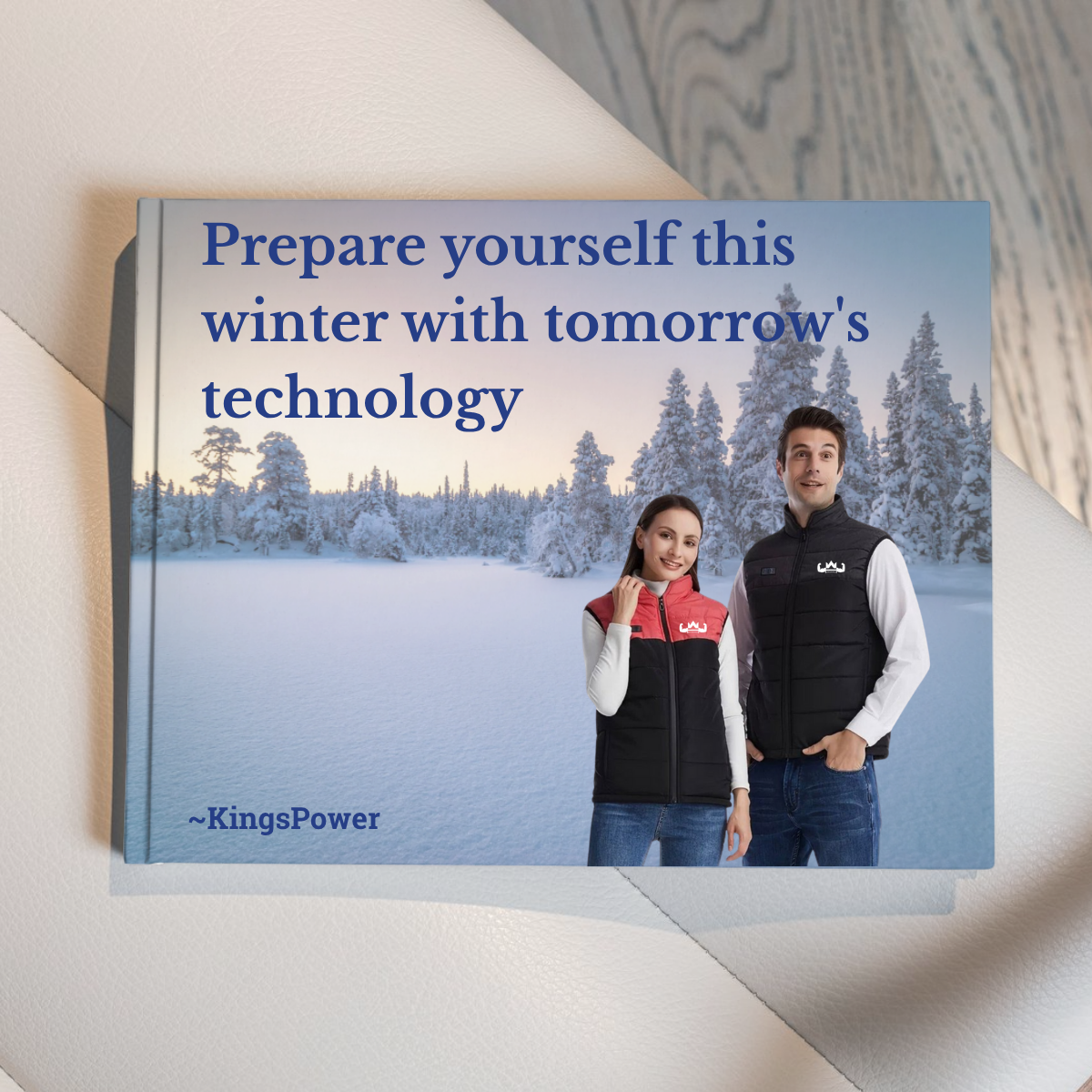
Do not place several thick jumpers between your body and the heated vest without good reason. This can make the heat feel less direct. The heated vest for men and women leaves the arms free and comes with a 10,000 mAh power bank. This makes it a practical mid-layer when freedom of movement matters.
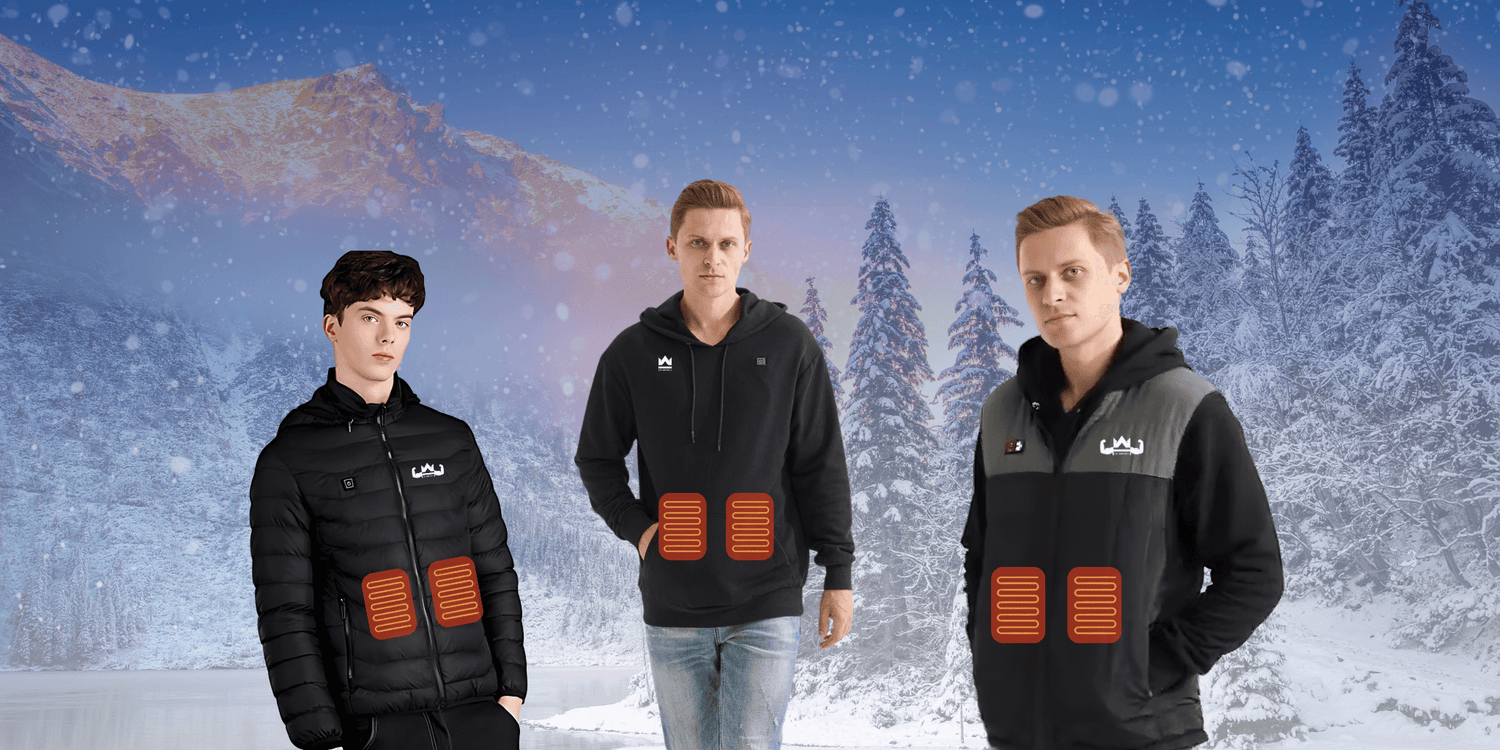
A heated hoodie also covers the arms and works well as a casual mid-layer. The heated zip-up vest is easier to open when you start to feel warmer. Both can serve as an outer layer when conditions allow, but a suitable outer jacket remains important in strong wind or rain.
When should you choose an extra layer, heated clothing or both?
The choice depends on how active you are, the weather and how long you will be outdoors.
| Situation | Practical choice | Why |
|---|---|---|
| You are moving intensively and only feel cold during breaks | A light extra layer | Your body already produces more heat during activity, and you can remove the layer while moving. |
| You sit or stand still for a long time in dry, cold conditions | Heated clothing | You can add targeted heat without wearing several thick layers. |
| You are outdoors for a long time in wind or light precipitation | Heated clothing with a suitable outer layer | The heated layer adds heat, while the outer layer limits the effects of the weather. |
| You want heating and outer protection in one garment | Heated jacket | The jacket combines a water-repellent, windproof outer layer with three adjustable heat settings. |
The heated jacket with power bank is an all-in-one option if you do not want to combine a separate heated mid-layer with an outer jacket. For intensive activity, a lighter heated vest or hoodie under a separate outer layer may offer more flexibility.
How do you protect your layering system from wind and rain?
Even when wearing heated clothing, you need a suitable outer layer in wind or precipitation because it determines how much heat the weather draws away from your layers.
Strong wind can displace the warm air between clothing layers. A windproof outer layer can therefore be more useful than simply adding another thick jumper. In rain, the electrical components must also remain adequately protected. Keep the power bank and connector dry and always follow the product instructions.
Check in advance which properties your outer jacket actually has. Water-repellent is not the same as waterproof. Heated clothing is therefore not automatically suitable as the only layer during prolonged or heavy precipitation.
Which heat setting and fit are most comfortable?
With KingsPower clothing, start on the low setting of approximately 45 °C and only increase it to approximately 55 or 65 °C if your activity and the conditions call for it.
Starting immediately on the highest setting is often unnecessary. Your body produces extra heat while walking, cycling or working. Lower the setting or open a layer as soon as you become too warm. This also helps you manage the available battery capacity over the intended period of use.
The fit determines how close the heated zones sit to the body. A very loose garment may provide less direct heat. A fit that is too tight can restrict your movement and leave little room for a base layer. Check the sizing guidance for your chosen product and try on the complete layering system together.
One clear limitation applies at work: heated clothing never replaces prescribed personal protective equipment or a risk assessment.
Which heated garment suits your winter clothing?
Because all KingsPower heated clothing has the same three heat settings, your choice mainly depends on fit, sleeves, fastening and the outer protection you need.
- Choose a heated vest if you want unrestricted arms and a compact mid-layer under a jacket.
- Choose a heated hoodie if you are looking for a comfortable layer with sleeves.
- Choose the heated zip-up vest if you want to open or close the layer quickly as conditions change.
- Choose a heated jacket if you want active heat and a windproof, water-repellent outer layer in one garment.
The best combination may vary from one situation to another. A heated vest under a jacket can be comfortable during less active outdoor use, while a hoodie without an additional jacket may be sufficient in dry, milder conditions. During intensive activity, a base layer and regular insulation may sometimes be enough.
Explore the heated clothing collection and compare the heated vest, hoodie, heated zip-up vest and jacket for your layering system.
Frequently asked questions
Should heated clothing be worn directly against the skin?
No. Do not automatically wear heated clothing directly against the skin; follow the product instructions. A thin base layer can help wick away moisture and keep the garment comfortable. Avoid several thick layers between your body and the heated zones if you want to experience the heat as directly as possible.
Can I wear a heated vest under a winter jacket?
Yes, a heated vest can be worn as a mid-layer under a suitable winter jacket. For example, combine it with a thin base layer and add extra insulation only if necessary. Check that you can still move freely and that an overly loose fit does not leave the heated zones too far from your torso.
Which layer should be worn over heated clothing?
In strong wind or precipitation, wear a suitable outer jacket over a heated vest, hoodie or zip-up vest. This outer layer helps limit the effects of the weather. In dry, milder conditions, a heated hoodie or heated zip-up vest can also be used as an outer layer if the product instructions and situation allow.
How long does heated clothing stay warm?
With the supplied power bank, the three settings provide approximately 8, 6 and 4 hours of use. The actual operating time depends on the selected heat setting, the conditions and the condition of the power bank. Start on a low setting and increase it only when you need more heat.