

Cold hands and feet: can warming your torso help?
Share
A heated vest can provide extra comfort if you have cold hands and feet, but it cannot guarantee they will become warm. Heating your torso may affect how your body responds to the cold. Wind, moisture, movement and personal sensitivity to cold all help determine the effect. Gloves, socks and shoes therefore remain necessary.
How can warming your torso affect cold hands?
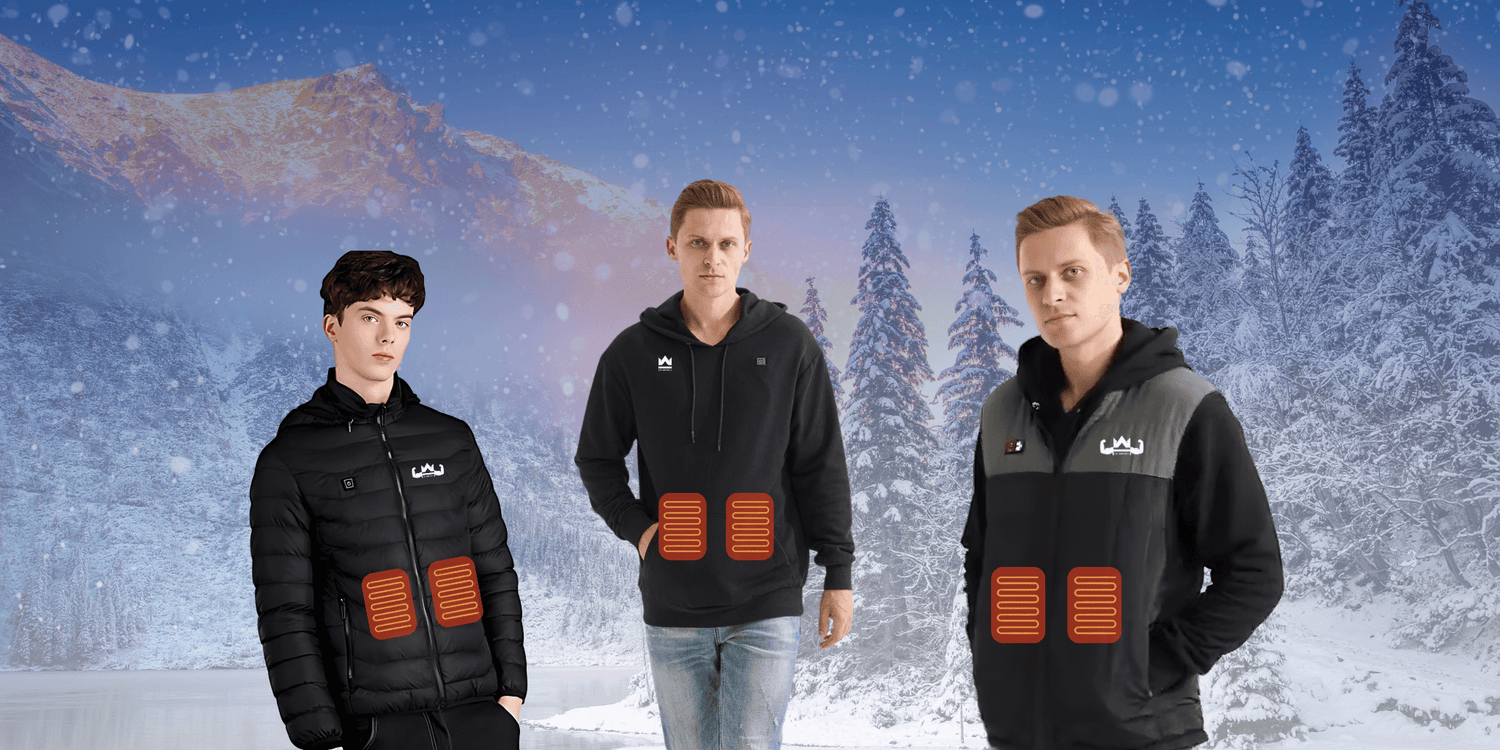
Torso heating primarily supports the feeling of warmth around your chest and back and may indirectly affect your hands. A heated vest is a layer of clothing with heating elements around the torso. It does not directly warm your fingers or toes.
In cold conditions, the body tries to retain heat around vital organs. Blood vessels close to the skin may narrow, causing the hands and feet to feel cold more quickly. It is therefore plausible that warming the torso may help maintain overall thermal comfort in some situations.
This does not mean that torso heating improves circulation or treats symptoms. The precise effect varies from person to person. The outdoor temperature, wind, damp clothing, sitting still and the duration of exposure also play a part.
What does research say about heated vests and cold hands?
Small experiments show that active torso heating can affect measurements taken from the hands, but they do not prove that cold hands will become warm.
In a 1998 study, 6 participants spent 3 hours at -15 °C. During active torso heating, their average finger temperature, measured finger blood flow and comfort ratings were higher than in the control condition.
A 2003 experiment involving 7 men compared 2 heating methods during exposure to -25 °C. The researchers used direct heat from heated gloves and indirect heat from an electrically heated vest. The 2 methods had different effects on temperature, blood flow and manual dexterity.
These were small studies conducted under extreme, controlled conditions. They were also not tests of KingsPower products. The findings help explain the possible relationship, but they do not predict what you will experience while walking, cycling or working on a cold day. You can find more background in our article about scientific research into heated clothing and thermal comfort.
Why might cold hands remain cold?
Cold hands may remain cold when heat loss from your hands is greater than the indirect effect of heating your torso.
Your fingers have little insulating tissue and are often directly exposed to wind, moisture and cold objects. Bicycle handlebars, tools and metal surfaces can rapidly draw heat away. A warm torso does not change these local conditions.
Perspiration can also work against you. Using too high a heat setting or wearing too much clothing while moving can make your base layers damp. Once you become less active, this can cause you to cool down more quickly. Adjust the heat according to your activity, rather than relying solely on the outdoor temperature.
Some people react more strongly to cold than others. If your fingers frequently become discoloured, painful or numb, also read our information about sensitivity to cold, Raynaud's and practical clothing choices. Clothing advice is not a substitute for medical assessment.
Can torso heating also help with cold feet?
Torso heating can support your overall thermal comfort, but the studies mentioned do not provide strong evidence that a heated vest prevents cold feet.
Feet lose heat locally through cold ground, moisture, wind and inadequately insulated footwear. Shoes that are too tight or several pairs of thick socks can also be uncomfortable. They reduce the space around your toes and may compress the insulating layer of air.
Start with dry socks, properly fitting shoes and insulation suited to the activity. Standing still for a long time often requires more insulation than walking briskly. A heated vest can serve as an additional layer, but it does not replace these measures.
What works better for cold hands and feet: torso heating or direct protection?
Direct protection is usually the first choice if it is mainly your fingers or toes that become cold, while torso heating can provide broader comfort.
| Measure | Where does it work? | When is it particularly useful? |
|---|---|---|
| Heated vest | Chest and back | When your torso is cooling down or you want an adjustable extra layer |
| Gloves | Hands and fingers | In wind, when handling cold materials and during limited movement |
| Socks and properly fitting shoes | Feet and toes | On cold or damp ground and when standing still for long periods |
| Wind-resistant and water-resistant outer layer | Depends on the garment | In wind, precipitation or wet working conditions |
A 2024 randomised trial investigated direct hand heating at 5 °C. Among the 22 participants, fingers remained warmer and manual dexterity declined less than without hand heating. If fine motor skills are important, your hands therefore require separate protection. Our comparison of heated gloves and standard winter gloves can help you make that choice.
How do you combine a heated vest with other winter clothing?
The best approach is a complete layering system in which torso heating, dry clothing and direct protection complement one another.
- Wear a dry base layer that helps move moisture away from your skin.
- Position the heated vest so that its warmth is not separated from your torso by several thick layers.
- Wear an outer layer suited to the wind and precipitation.
- Choose gloves with enough insulation, grip and freedom of movement for your activity.
- Wear dry socks and shoes that do not pinch.
- Start with a comfortable heat setting and adjust it when you become more active or start to perspire.
Monitor your comfort while you are out. If your clothing becomes damp, lower the heat or temporarily open an outer layer. If your fingers or toes become numb, painful, unusually pale or blue, get out of the cold and seek medical advice if necessary.
When is a heated vest not the right solution?
A heated vest is not sufficient when your problem is primarily caused by wet clothing, unsuitable shoes, gloves that are too thin or prolonged contact with cold materials.
Clothing should also not be the only response to persistent or unexplained symptoms. Discuss pain, numbness, sores or clear changes in colour with a doctor. Do not use heated clothing on skin with reduced heat sensitivity without professional advice.
For work, heated clothing must never replace prescribed personal protective equipment or a risk assessment. Safety requirements, visibility and protection against specific hazards always take priority over additional comfort.
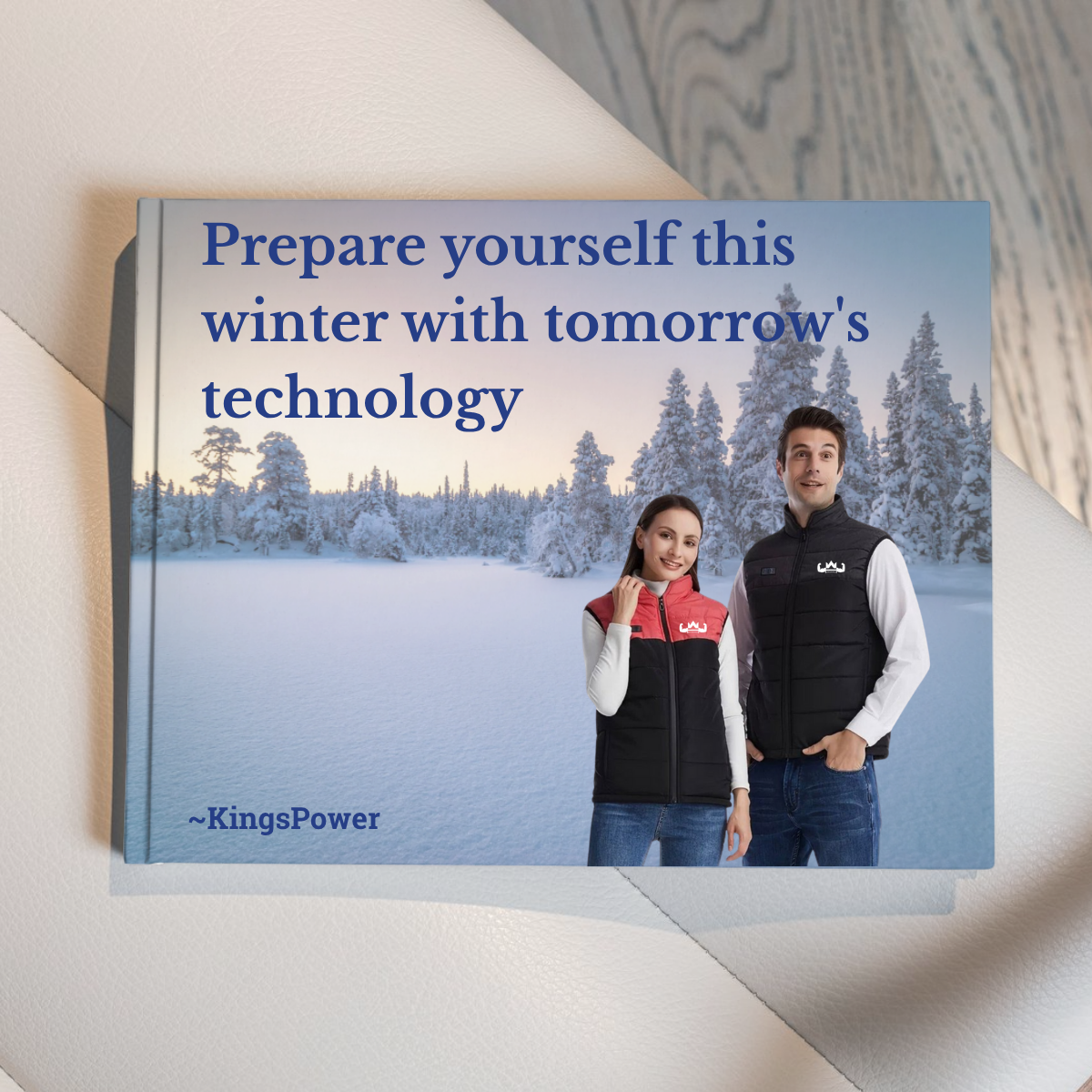
Would you like an adjustable extra layer of warmth around your chest and back? View the KingsPower heated vest for women or men. Always combine torso heating with suitable protection for your hands and feet.
Frequently asked questions
Can a heated vest help with cold hands?
A heated vest may indirectly support your thermal comfort and, in some situations, contribute to warmer hands. The effect is not guaranteed and varies by person and circumstances. Because your hands remain exposed to wind and cold materials, suitable gloves are usually still necessary.
Can a vest prevent cold hands and feet?
No, a vest cannot guarantee that cold hands and feet will be prevented. It warms your torso rather than directly heating your fingers or toes. Consider it a supplement to dry layers, suitable gloves, insulating socks and properly fitting shoes.
Are gloves important when your torso is heated?
Yes. Gloves limit direct heat loss through your hands and protect them from wind and cold surfaces. This is a different function from heating the torso. Choose gloves based on the temperature, your activity, the grip required and the likelihood of moisture.
Which heat setting should you use for cold hands?
Choose a setting that keeps your torso comfortable without making you perspire. A higher setting is not automatically better for your hands. If you become more active, lower the heat in good time. According to the instructions for use, you should not wear heated clothing during intense physical exertion. The right setting depends on the weather, your clothing layers, your activity and the condition of the power bank.