

Heated Clothing for Employees: Comfort and Practical Use
Share
Heated clothing can add comfort during cold work, but it does not automatically improve productivity. A suitable approach starts with the work risks, existing controls and the situations in which targeted warmth genuinely helps.
Cold conditions require a broader plan
Wind, moisture, low temperatures and long exposure can affect comfort and concentration. Employers should assess these risks and first apply appropriate technical, organisational and protective measures.
Targeted warmth as an addition
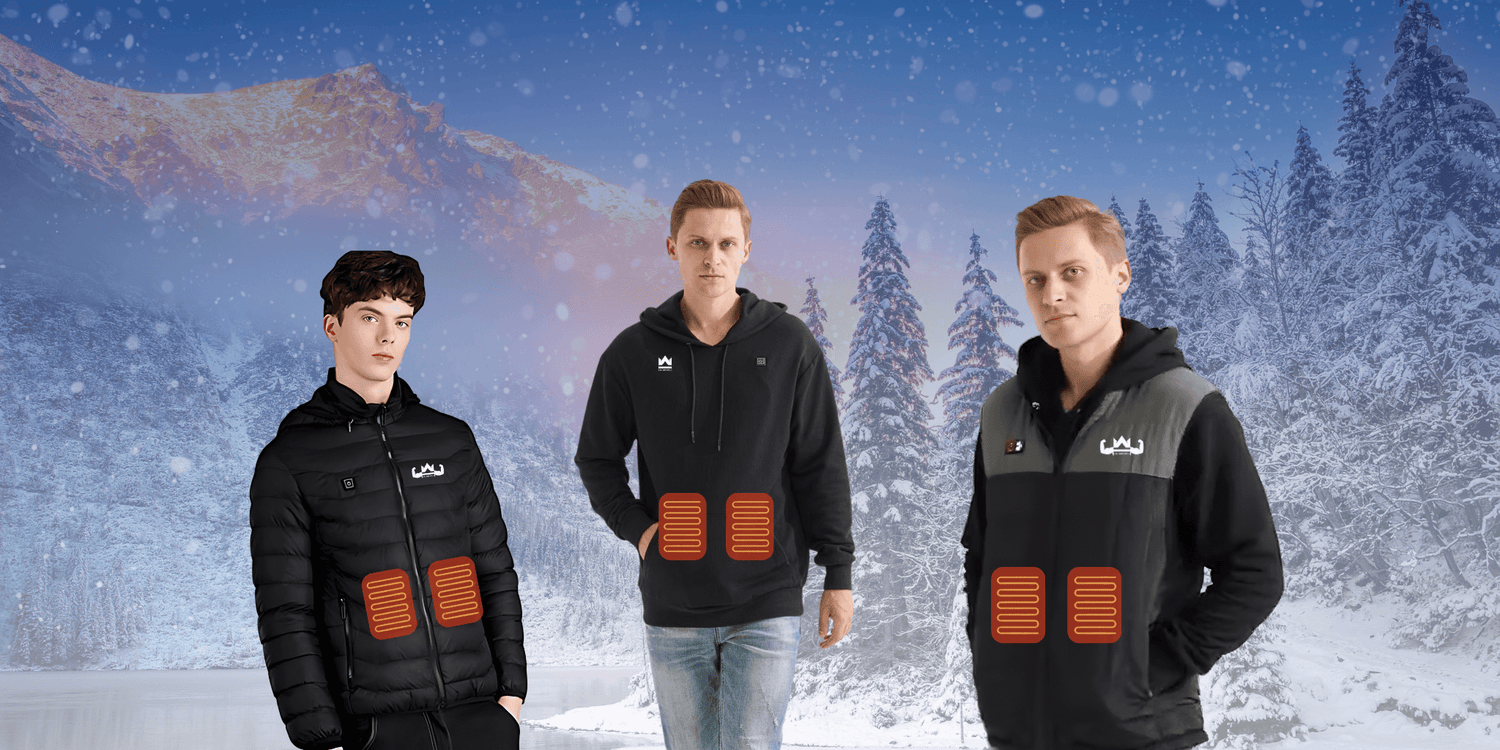
A heated vest, hoodie or jacket can warm the torso without heating the entire workplace. It may suit outdoor work, warehouses, security, installation and logistics.
Choose for the task
Check mobility, visibility, fit, required PPE, battery duration and safe washing. Heated clothing never replaces certified PPE where that is required.
Introduce it in a controlled way
- Run a small pilot.
- Set rules for use, charging, storage and inspection.
- Collect feedback on comfort and movement.
- Check garments and cables for damage.
- Evaluate the product within the full winter plan.
Improved thermal comfort can make work more pleasant, but effects on performance, absence or productivity vary and should not be guaranteed without measurement.