

The Development of Heated Clothing: From Wired Systems to Power Banks
Share
Heated clothing developed from specialist wired equipment into portable garments with compact batteries and adjustable heat. The main advances have been lighter materials, flexible heating elements and greater freedom of movement.
Early electrical applications
Electrically heated garments were first most useful where ordinary insulation was not practical enough, including aviation, motorsport and specialist outdoor work. Systems were often heavy, wired and connected to a vehicle or fixed power source.
Flexible heating elements
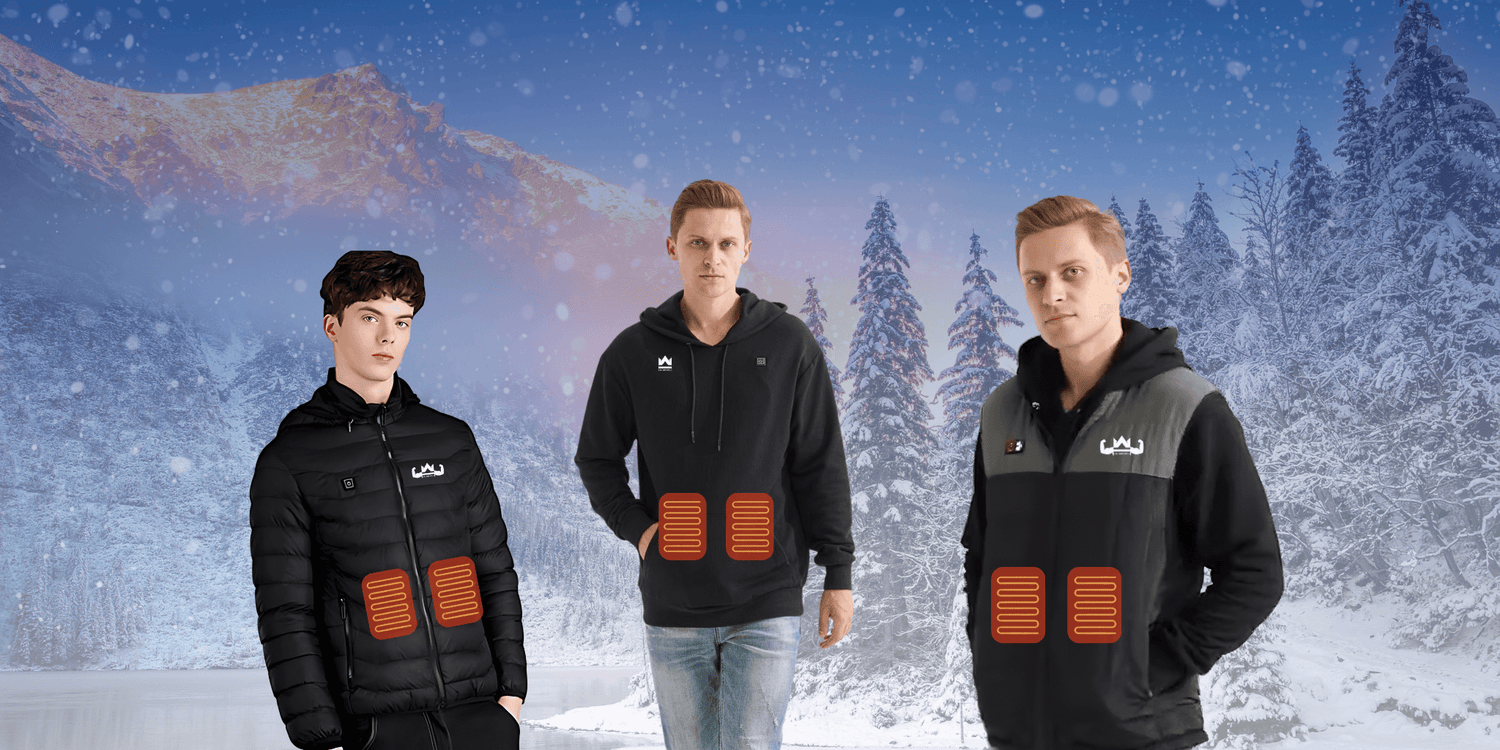
Conductive materials made heating elements thinner and easier to integrate into clothing. This enabled targeted warmth around the torso, back, hands or feet without large rigid parts.
Portable battery power
Rechargeable lithium-ion batteries and widely available power banks made heated clothing more suitable for everyday use. Wearers gained mobility and could choose between heat settings.
Modern heated garments
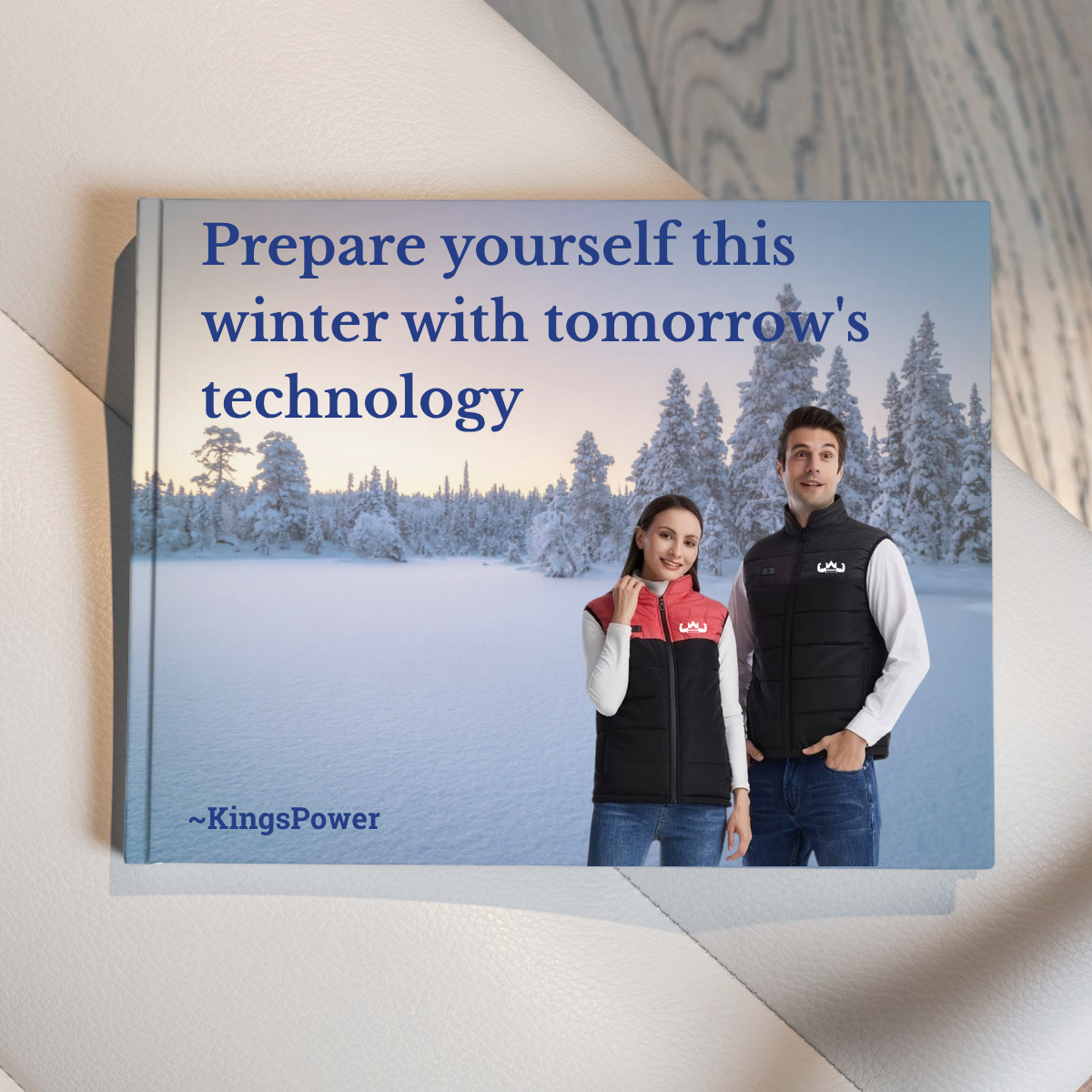
Current designs combine insulation, heating zones, a controller and a portable power source. Practical quality depends on fit, zone placement, battery capacity, care instructions and protection of electrical components.
What comes next?
Further development is likely to focus on efficiency, lighter power sources, better controls and durable materials. Clear performance, safety and care information remains essential.